
Montevideo, like San Francisco, is surrounded by water, a city on a peninsula. But the peninsula is pointier and, rather than sitting on a bay, the capital of Uruguay sits on the Rio de la Plata, a massive river which flows South from the confluence of the Rio Parana, the second longest river in South America, and the Rio Uruguay.


Sediments from the north are brought down through Brazil, Argentina and Uruguay to the South Atlantic Ocean, here. The water in the Rio de la Plata appears brown because of this.
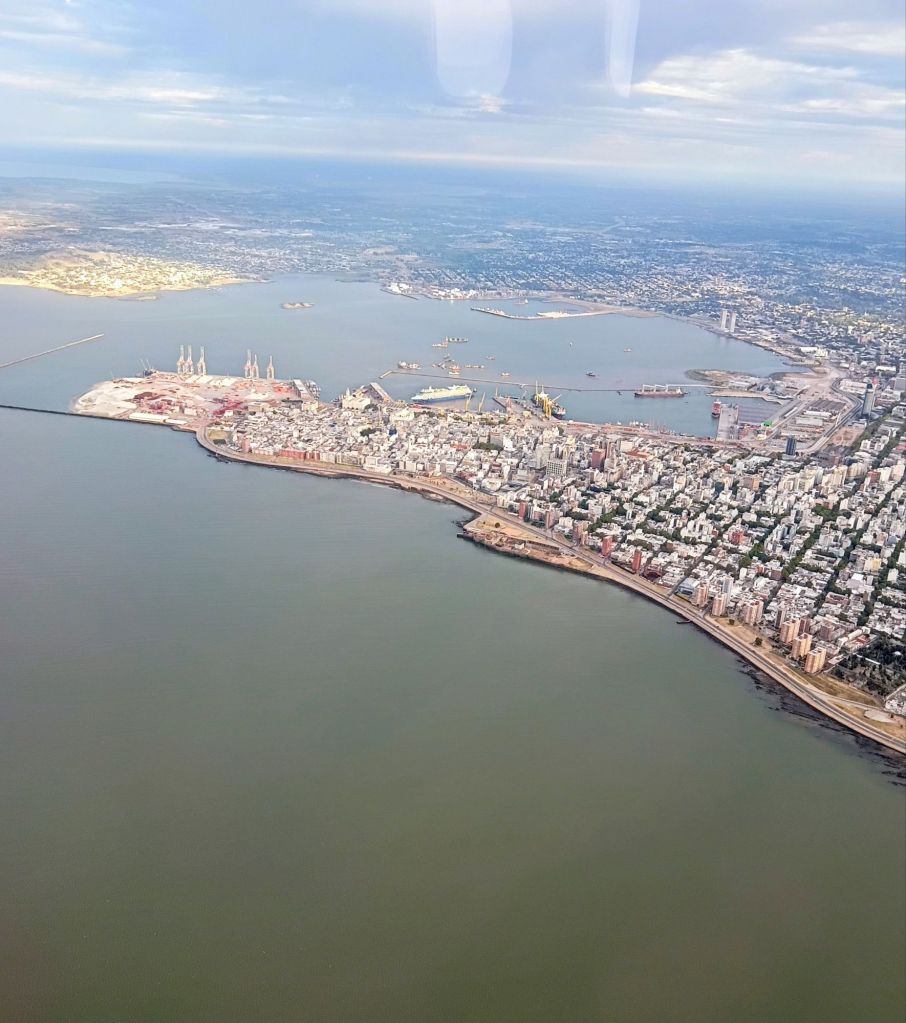
It is classified a muddy estuary by NOAA, but to me it’s more like the massive delta of a river continuously rushing the silt of a continent out to sea.
The Rio de la Plata is the widest river on our planet because the river pushes so far out into the South Atlantic Ocean.
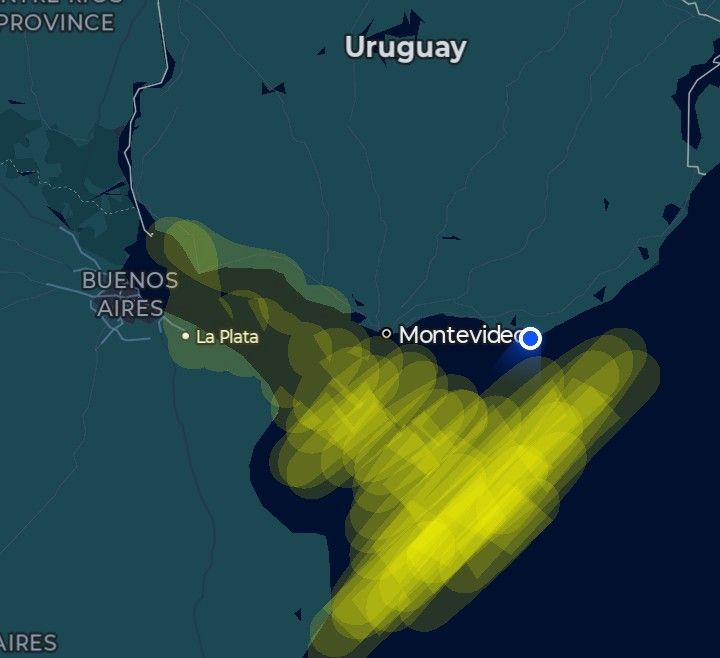
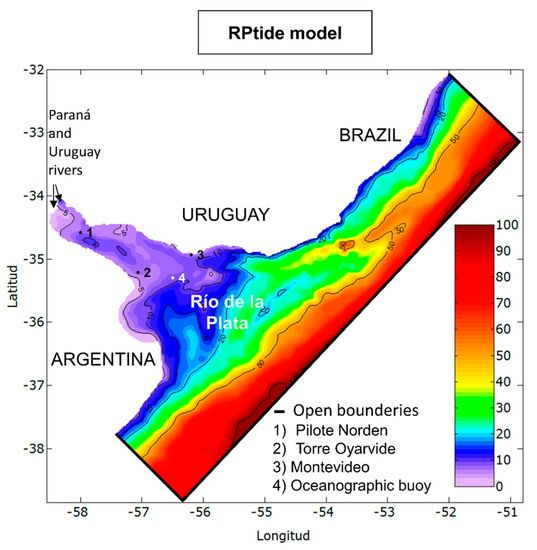
The definition of the river is measurable by the lack of salinity in the water, and by measuring the tidal action.
Also, bathymetry of the river bed,
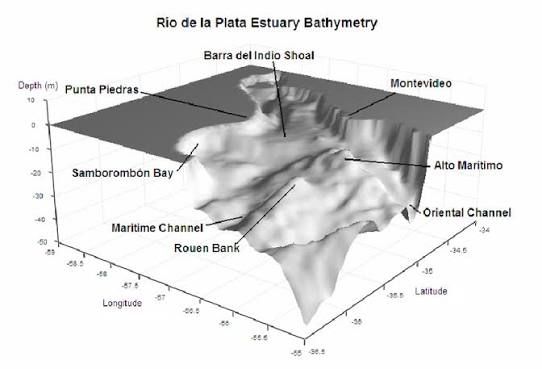
reveals a long, tiered alluvial range pushing miles out into the sea.
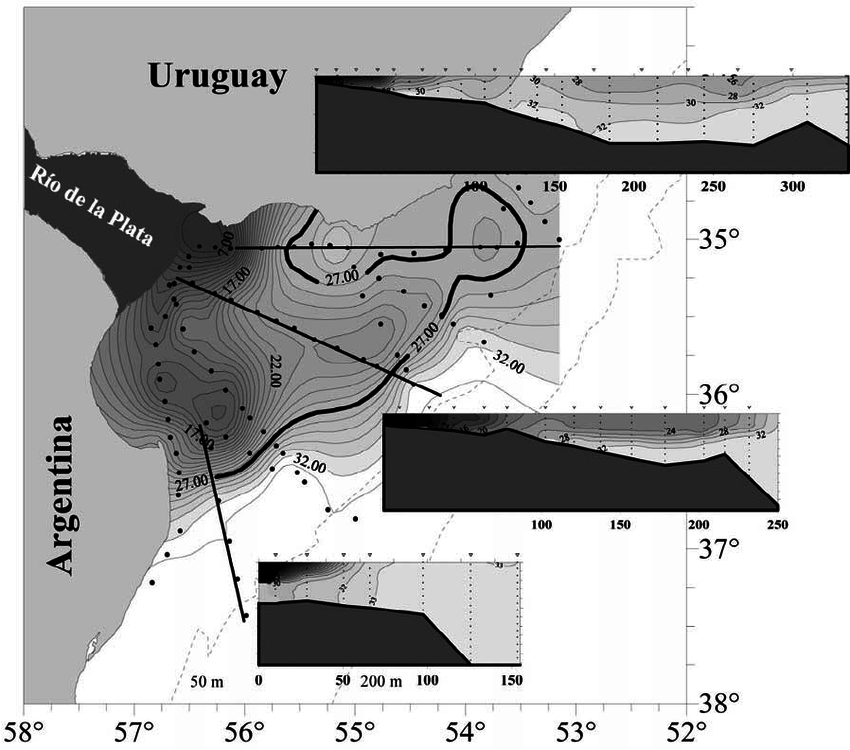
Oceans are rising everywhere as a result of warming temperatures, but here a powerful river pushes back. This makes Montevideo and Buenos Aires river cities. They are influenced most profoundly by the action of the river to the sea, not the South Atlantic Ocean.
Montevideo is a clean, orderly city. It’s relatively flat and has diverse botany. As a port city, much of that diversity is from Colonialism – eucalyptus from Australia, fortnight lilies from South Africa, jasmine from Asia via Europe. The climate and the river allow palm trees and non-native conifers to grow comfortably adjacent to one another at the coast.
Buenos Aires is upriver, to the West of Montevideo, both cities at near 35° S Latitude. This was the furthest South I have yet been. It was tangibly different: the air, the sunshine, the light, the magnetic field.
The Buquebus ferry between the two capitals, crossing the wide, brown river, gives one a good feeling for the size of the Rio de la Plata.
There are few seagulls in Montevideo or Buenos Aires, one sees more shore birds and tidal hunters like the snowy egret
or, palm and fruit tree birds like the monk parakeets:
To get to actual ocean and see flocks of seabirds, one has to travel East from Montevideo, past Punta del Este, where the sea finally approaches the shore of Uruguay. The district to the east with ocean-facing shores is Maldonado, where I spent most of my time.
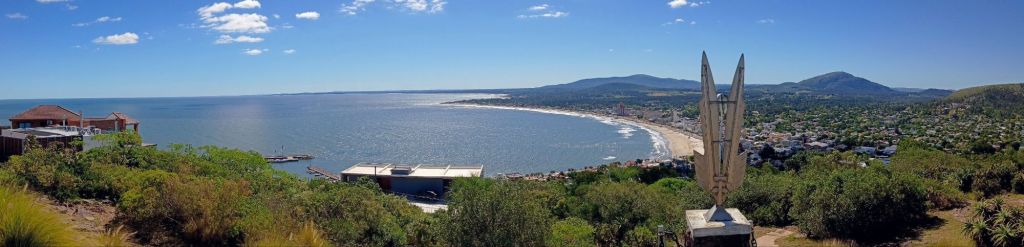

I rented a car and drove eastward from Punta del Este as far as Jose Ignacio and back, considering the beaches and the rolling hills and vineyards of Piriapolis, Punta Gordo, Punta Negro and Punta Ballena – home to Casapueblo, a sun sanctuary created by the artist Carlos Páez Vilaró.
Every evening at sunset, a crowd gathers to hear Vilaró’s poetic recitation to the sun. This is a moving and communal affair that I found very touching. Vilaró felt like a cherished ancestor of the art world.
The sky is a presence in a different way here. It’s transition to night was visible in another unique setting, also the result of an artist and visionary, just a few miles East of Casapueblo.
The James Turrell Sky Space at Jose Ignacio is a remarkable version of Turrell’s concept of an eyehole on the sky. This one is in an idyllic environment and made with imported Italian stonework of a remarkable quality.
I watched the color of the sky change from within the columnar ring of granite from the Dolemites,and saw Jupiter emerge from the inky blackness of night.
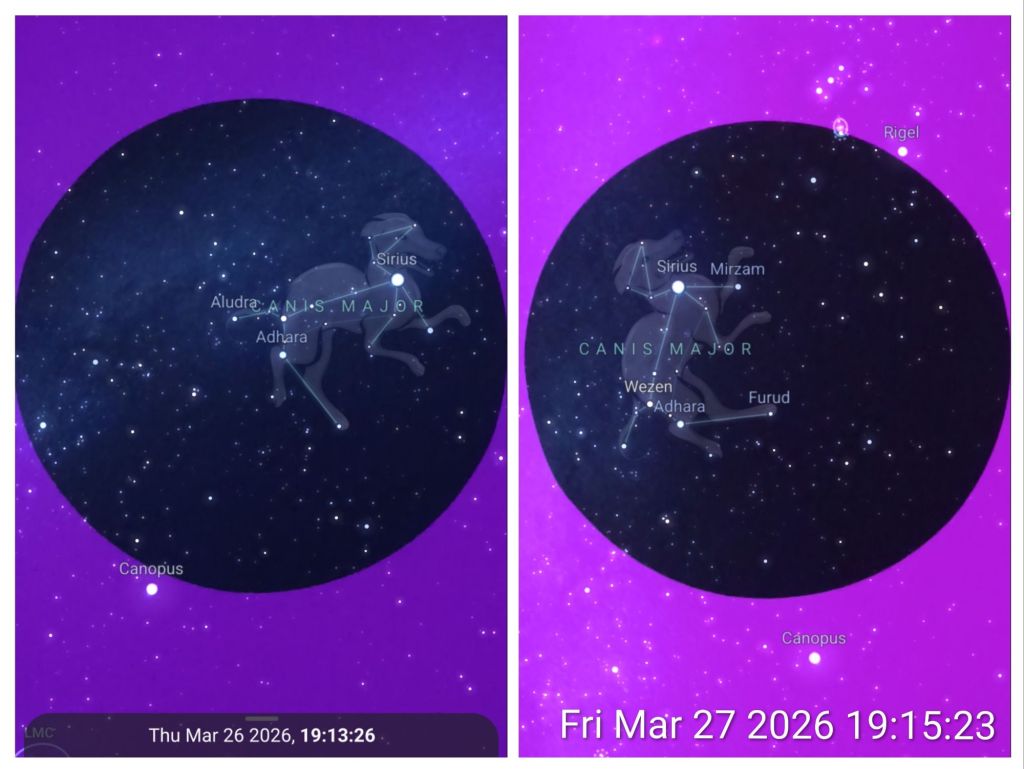
The night time sky was endlessly fascinating to me in South America. I saw Alpha Centauri for the first time in my life, and then saw Centaurus every night for forty nights, and learned the path of Sagittarius and Hydra before it.
The shape of the land in these “puntas” at the coast all the way down to Tierra del Fuego are like fractal curves of the earth. They give one a unique vantage on the celestial hemisphere. From the earliest days of my arrival I could see the curve of it clearly.
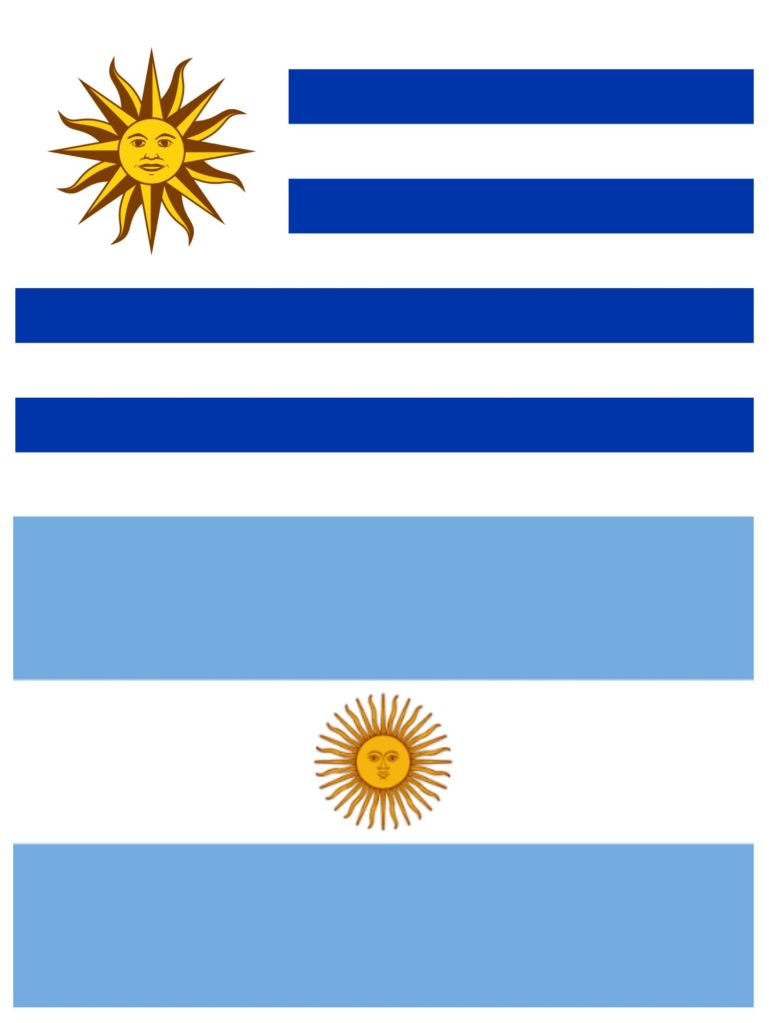
It was summer and the sun was a dangerous laser beam. The sun is on the flags of both Argentina and Uruguay because it shone at an auspicious moment of the May revolution of 1810, initiating their independence from Spain, but it could also be for the sheer power of the sun.
The solar rays and heat felt different here at the end of their summer. My skin darkened significantly. The light itself was very different from San Francisco. When I was in Punta del Este I was 10,000 kilometers from San Francisco, going against the 23 degree tilt of the world – the obliquity of the ecliptic.
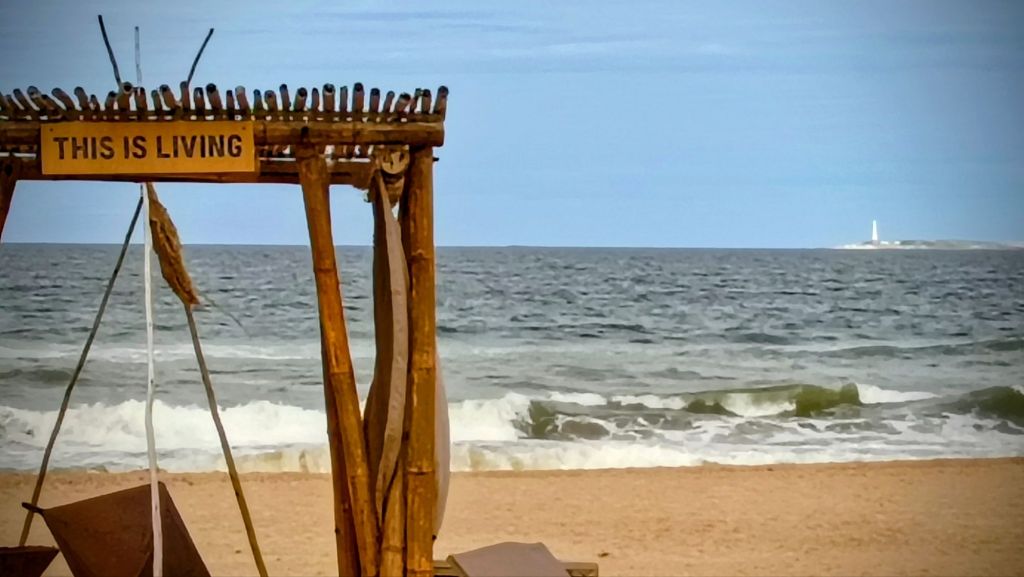
The Riviera of South America, Punta del Este is a thriving tourist destination for wealthy Argentines and Brazilians. I was told the private airport that serves Punta del Este will end commercial flights on the last day of this year – only private jets after that. Condominium buildings and resort properties are being built everywhere.


Prices are climbing. There is tension between longtime residents and developers, and comedic derision of Argentine tourists by locals, though they call Buenos Aires a sister city.
Uruguyans have an advanced and refined culture that can be found even among the people living simple lives in Maldonado, but it’s different from that found in Buenos Aires. The pace is slower, more at ease in eastern Uruguay.
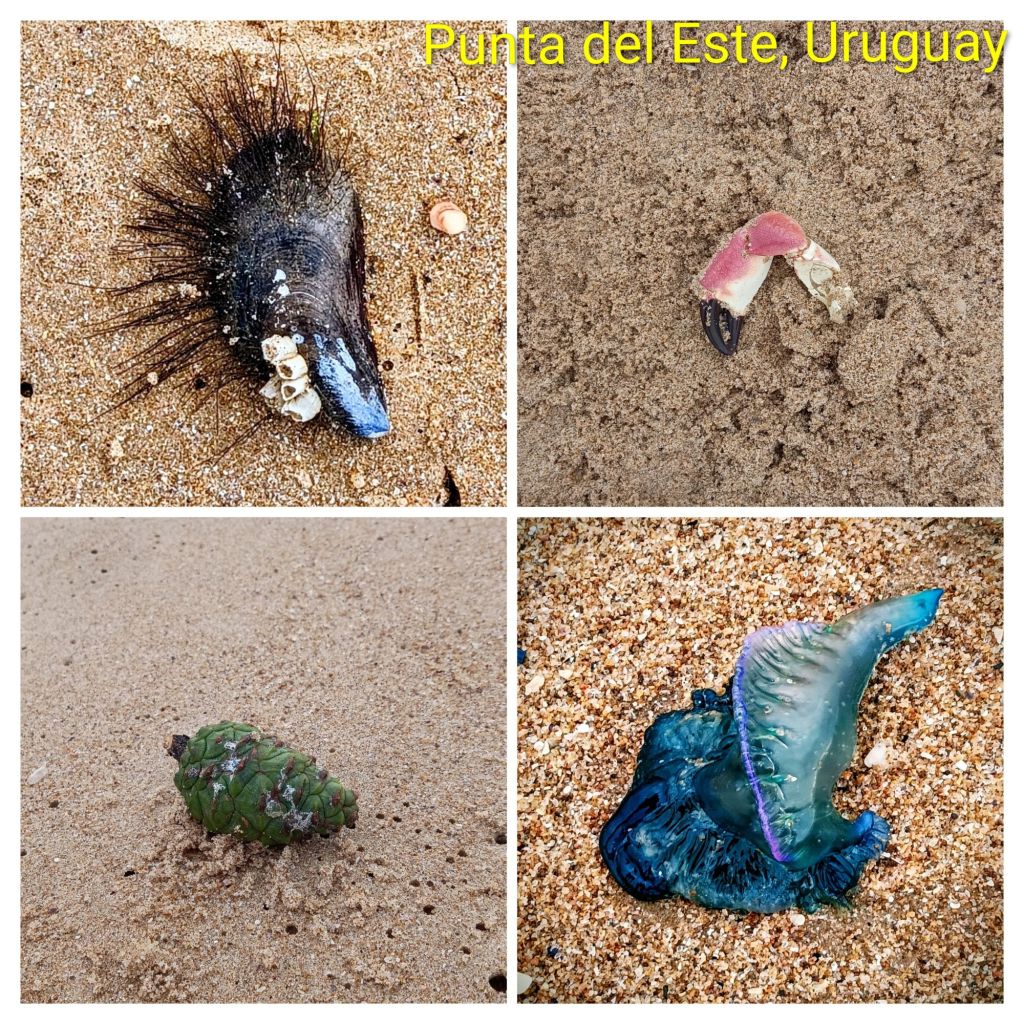
Here is a playlist of videos of restaurants, museums and beaches from my 40 days in Uruguay:
Buenos Aires has the energy of a city of the world. The buzz and bustle of New York or Paris or Tokyo. I only stayed in two comunal, as the neighborhoods are called, Recoleta and Palermo, but it was a good first trip:
Here is me and Lio
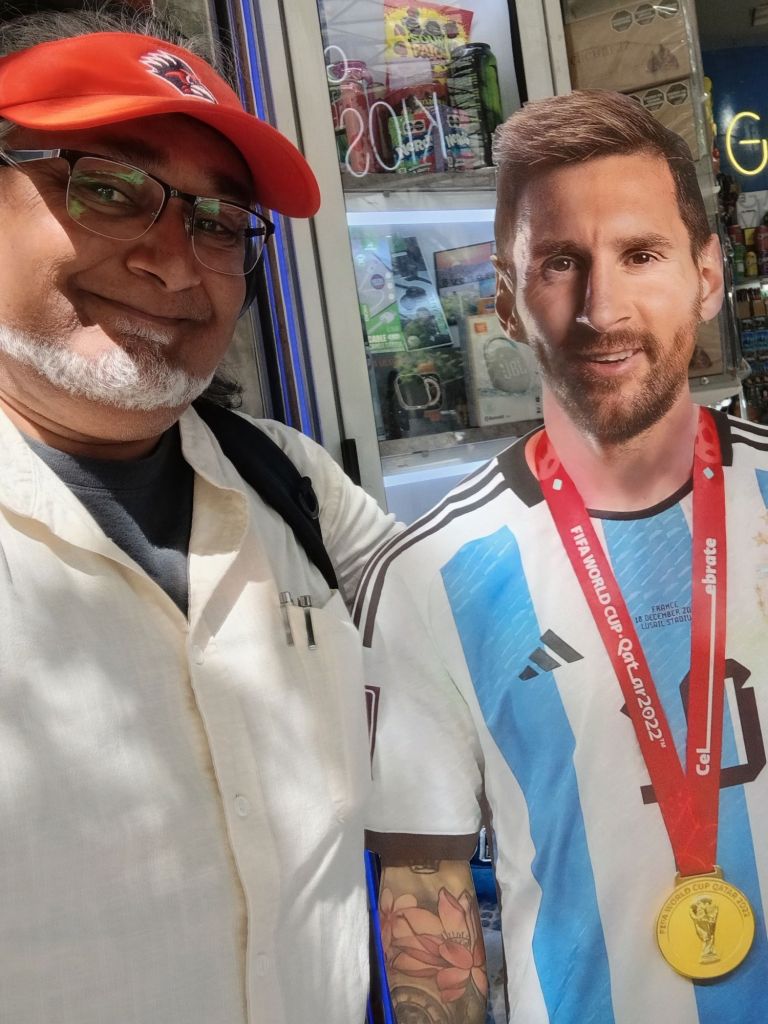
and here is the complete playlist of videos from my two weeks in Buenos Aires:
As I did in Thailand three years ago, I made a study of the legalization of marijuana in Uruguay and found a thriving subculture of growers and producers working collectively with little to no interference from the government.
They are proud they were the first nation to legalize it but, in keeping with their character, don’t make a big deal out of it. It’s just obvious that the right position is legalization.
There is a collective sense of righteousness in Uruguay that reminded me of Japan – a rectitude. It’s what drives them to be progressive – doing the right thing.
Take look at this recycling station!
Here’s a story I have been telling about the Progressiveness of Uruguay.
I have been back in the US for three weeks now. I have many deeper memories of people, places and things I encountered in Uruguay and Buenos Aires, but the pace of life, once again, has forced me into this rushed first report back from my trip.
More to come …
Love,
mtk
 MTK The Writist
cool,
Beautiful.
Amazing, *
“
Mr. Sushi